Canyonlands
Canyonlands is an exploration of the terrain and geologic formations that comprise the unique, time-worn landscape of Southern Utah. At once raw, barren, exposed; and eternal, enigmatic, and ethereal. It is a first glance, a first impression, of this often bleak, sometimes fantastical, and always captivating place.
DELICATE ARCH CONTOURS - This unparalleled view of Delicate Arch, emblem of Arches National Park and the State of Utah, highlights the sedimentary nature of the rock from which it was carved.
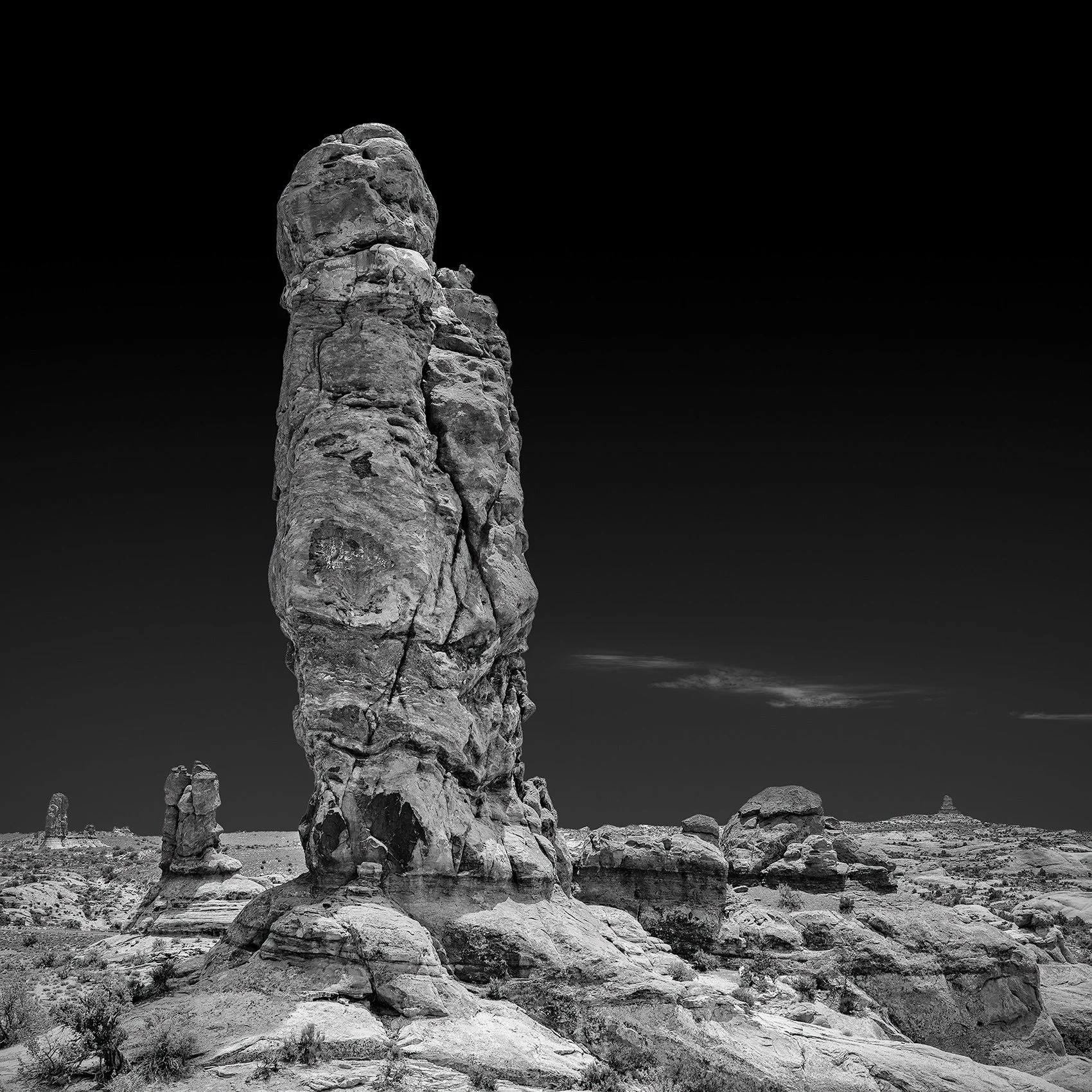
SOLITARY PILLARS - Towering rock pillars dot the barren landscape in Arches National Park, Utah.
FACING THE SKY - Turning it's 'face' to the sky, this anthropomorphic rock formation sits stoically in the barren terrain of Arches National Park, Utah.
STEPS TO THE SKY - Highlighted in the afternoon sun, pillars of stone align into steps to the sky in Arches National Park, Utah.
ZION ACCRETION - Ponderosa Pines find scant purchase on the many layered outcroppings of sedimentary stone in Zion National Park, Utah.
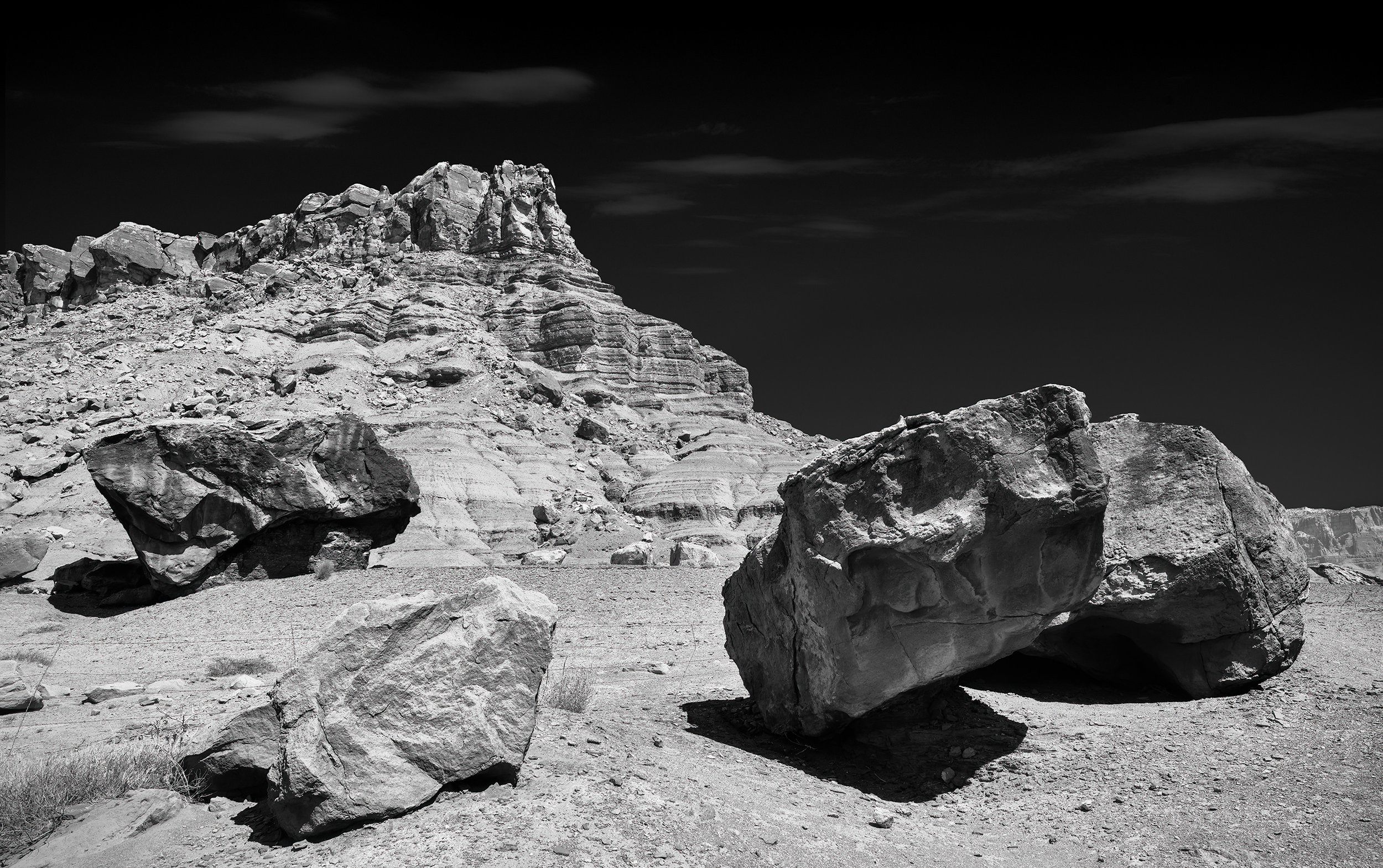
PROMONTORY RUBBLE - Strewn at it's feet, boulders shed from the cliff face sit awaiting their own eventual fragmentation in Vermilion Cliffs National Monument, Utah.
ROCKY PERCH - Perched upon a craggy outcropping, a solitary Ponderosa Pine stands as testament to it's perseverance in Zion National Park, Utah.
DELICATE ARCH RADIANCE - This unparalleled view of Delicate Arch, emblem of Arches National Park and the State of Utah, highlights the sedimentary nature of the rock from which it was carved.
STRATA - Time and erosion reveal the sedimentary strata of oceans past in the Dixie National Forrest in Southern Utah.
BLACK BIRCH SUMMIT - This imposing white limestone peak stands silent watch over Black Birch Canyon in Bryce Canyon National Park, Utah.
MONUMENTAL VISTA - Retreating into the distance of Southeastern Utah, these sheer rock formations rise through the rubble of millennia of their own disintegration.
ESCALANTE RIDGES - Deep ridges ripple across a stratified mountainside in Grand Staircase-Escalante National Monument, Utah.
CEDAR BREAKS CHASM - Sitting at 10,000 ft, the chasms of Cedar Breaks National Monument in Western Utah attest to the sediment once laid down on the floor of an inland sea.
BRYCE VISTA - Some of the myriad of hoodoos that fill Bryce Canyon National Park as seen from Rainbow Point.
VALLEY OF THE GODS - Shades of gray and purple layered stone, exposed by millennia of erosion, lend splashes of color to the often bleak landscape of the Valley of the Gods in Southeastern Utah.
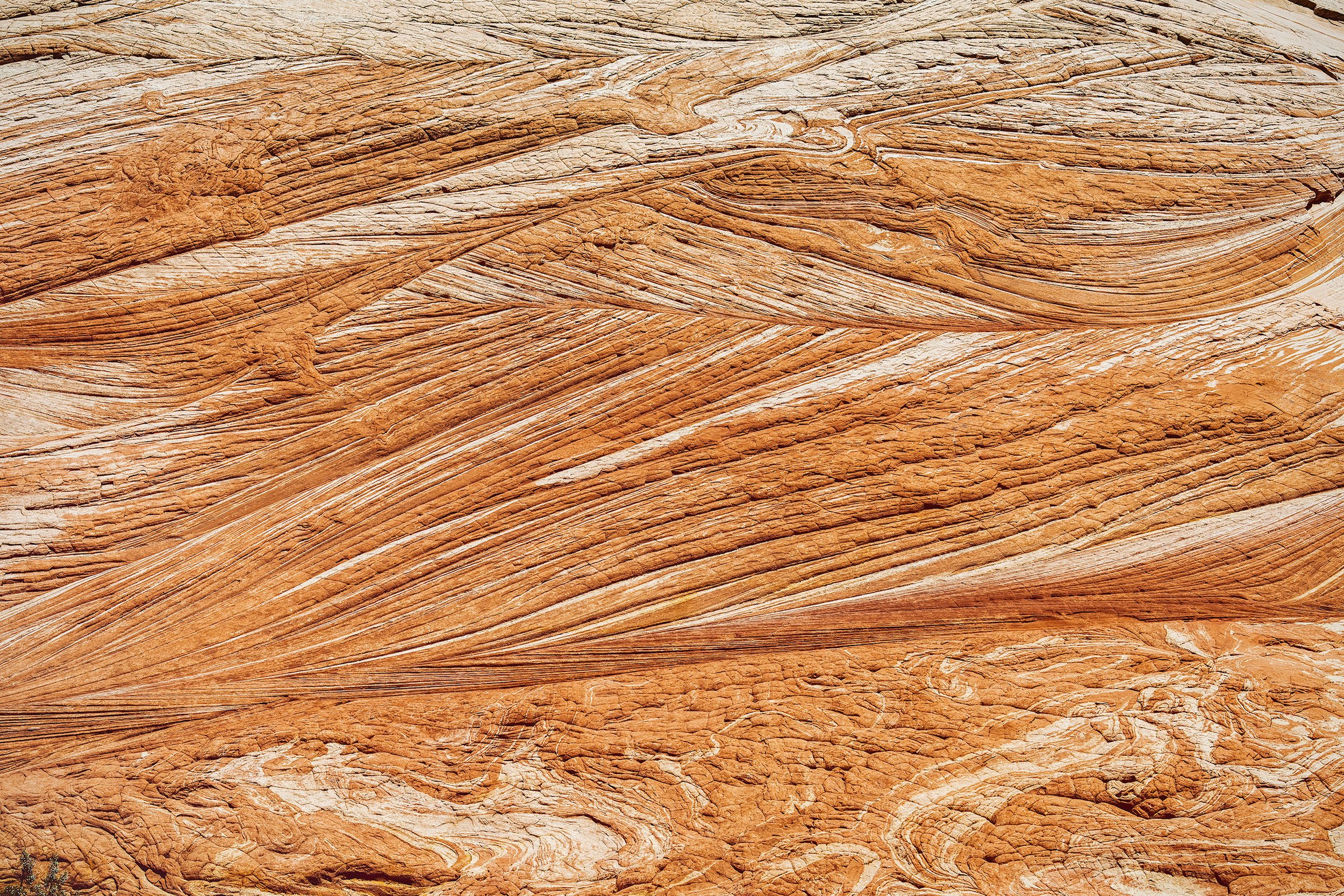
ESCALANTE SINEW - Strata of limestone and sandstone, warped and contorted through time, form sinewy patterns in stone in the Grand Staircase - Escalante National Monument.
RIPPLES IN TIME - Folds and ripples in the sandstone strata align as petrified waves in the barren landscape of Grand Staircase - Escalante National Monument, Utah.
SEDIMENTARY EDDIES - Folds in the sediment set millennia ago, now exposed in the barren landscape of Grand Staircase-Escalante National Monument, Utah.
DELICATE ARCH - This unparalleled view of Delicate Arch, emblem of Arches National Park and the State of Utah, highlights the sedimentary nature of the rock from which it was carved.
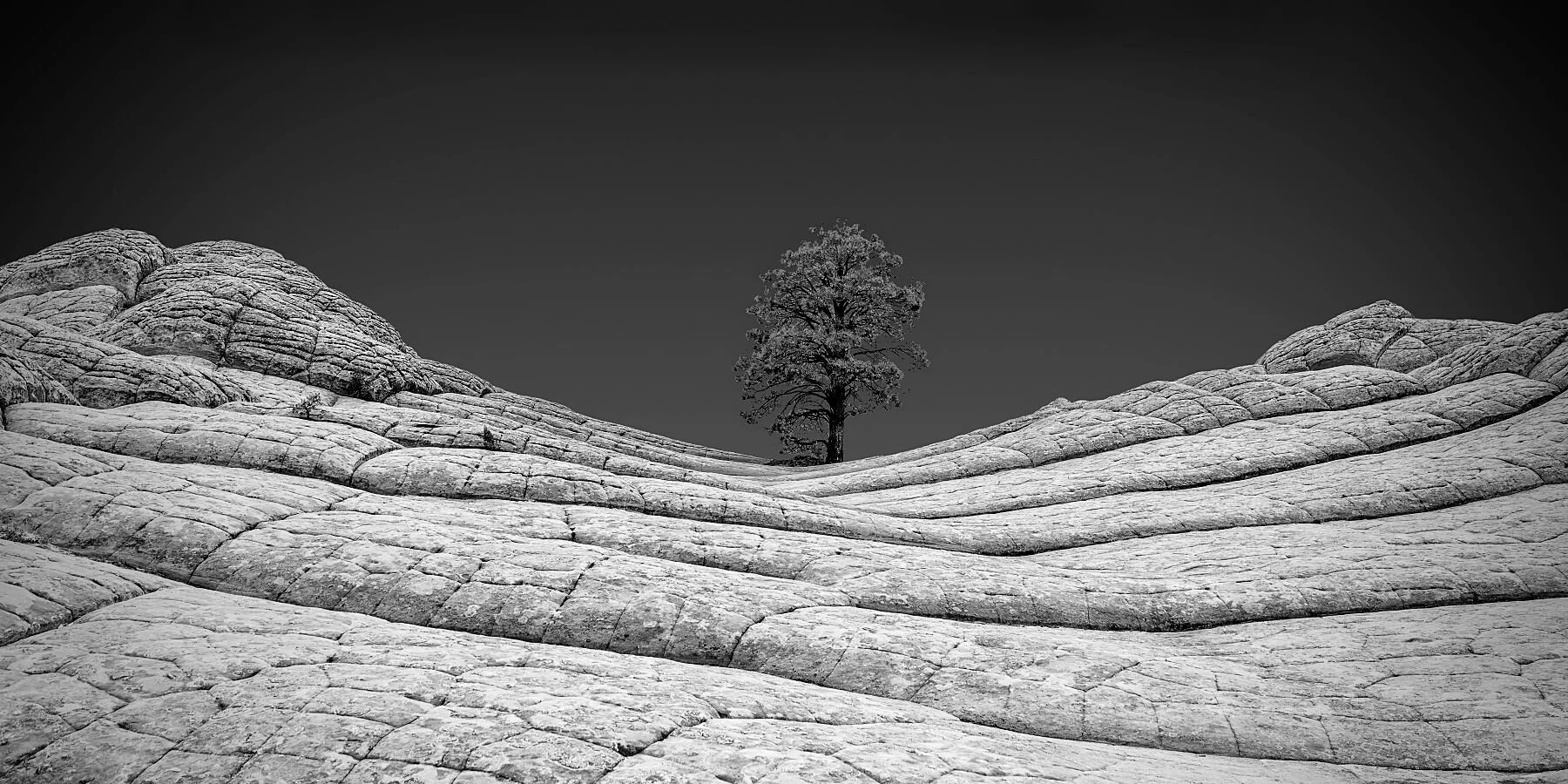
WHITE POCKET ISOLATION - A lone tree has found purchase among the rippling sandstone formations in the remote White Pocket area of the Vermillion Cliffs National Monument in north-central Arizona. It is the uniquely formed white Navajo Sandstone, known as 'cauliflower rock', that give White Pocket it's name.
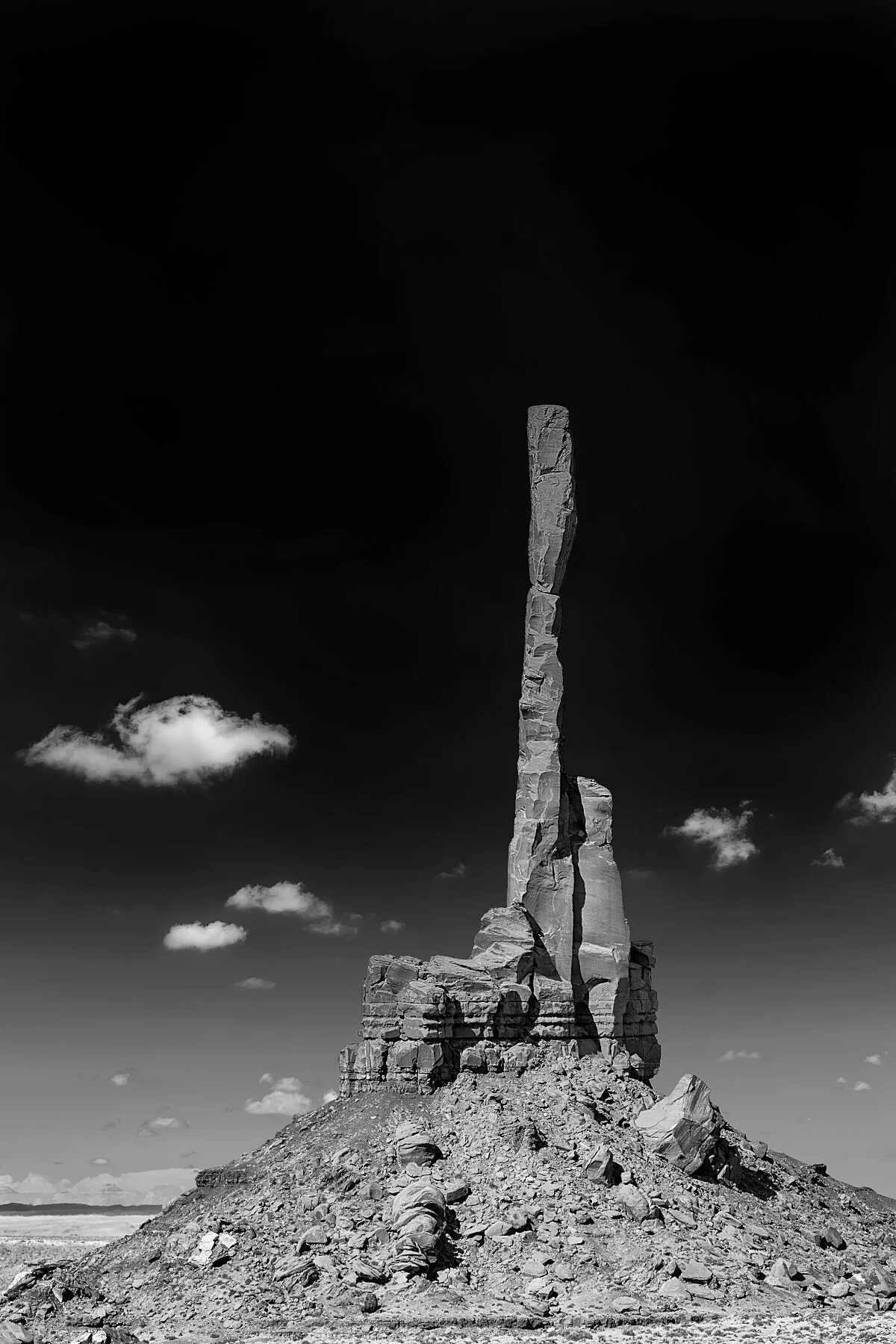
TOTEM POLE - The Totem Pole is a rock spire situated in Monument Valley Navajo Tribal Park, located on the Utah-Arizona state line. Rising approximately 450 feet above the desert floor, Totem Pole is the tallest rock spire in the world.
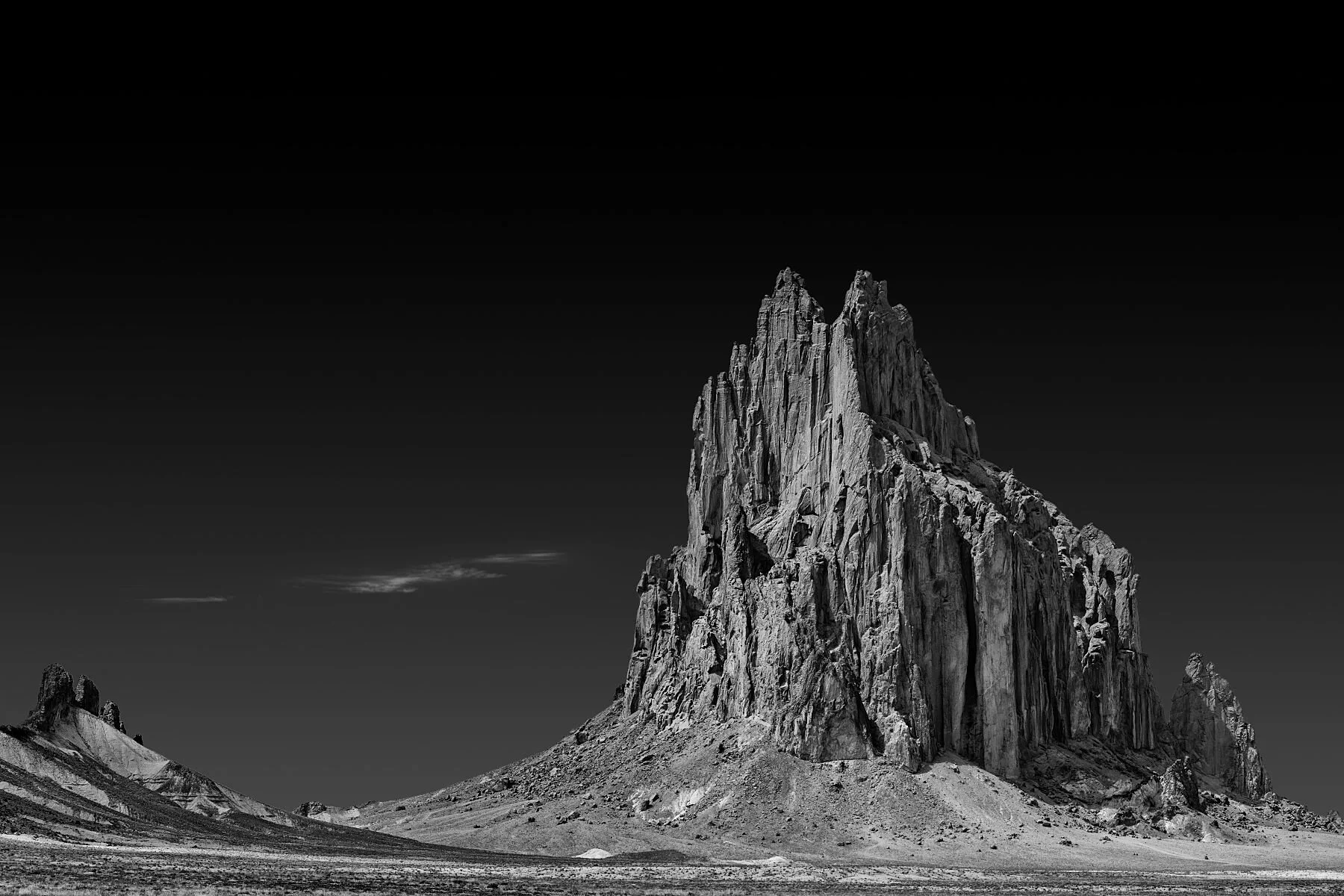
SHIP ROCK - Located in northwestern New Mexico, Ship Rock is the remnant of an explosive volcanic eruption that occurred around 30 million years ago. It was probably 750 to 1000 meters below the land surface at the time it was formed, and has since gained its prominent form due to erosion of surrounding rocks.
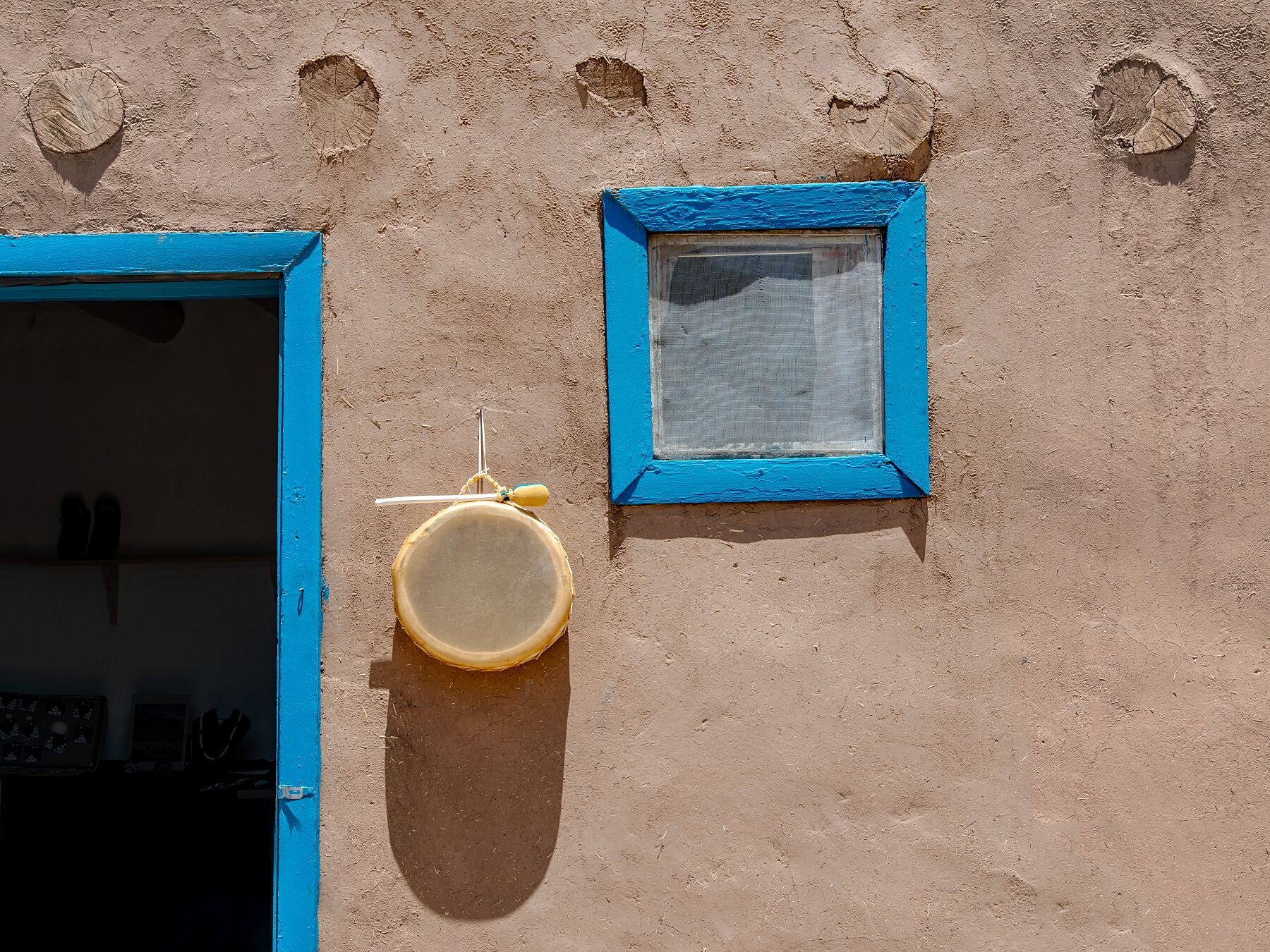
THE DRUM MAKER'S DOOR - A traditional Navajo drum hangs outside a door in the Taos Pueblo just outside Taos, NM, indicating that a drum maker resides within. Artisans employ traditional techniques, often passed down through generations, using wood, hides and natural fibers to create drums that are not only functional but also beautiful.
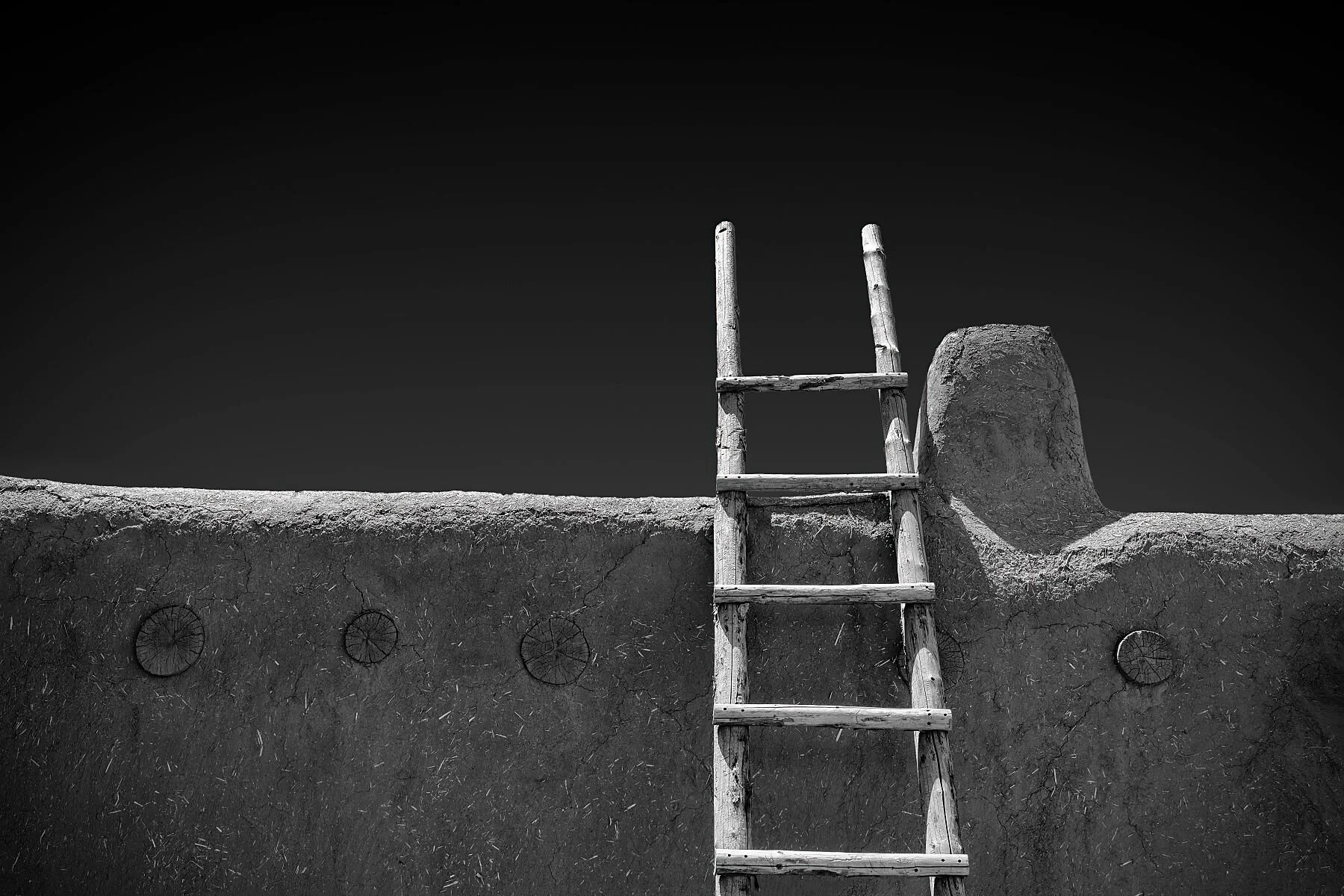
PUEBLO LADDER - A ladder gives access to the roof of a pueblo home, and to the home above it, at the Taos Pueblo in Taos, New Mexico. The buildings originally had few windows and no standard doorways. Instead, access to rooms was through square holes in the roof that were reached by climbing long, wooden ladders which could be pulled up for defensive purposes.
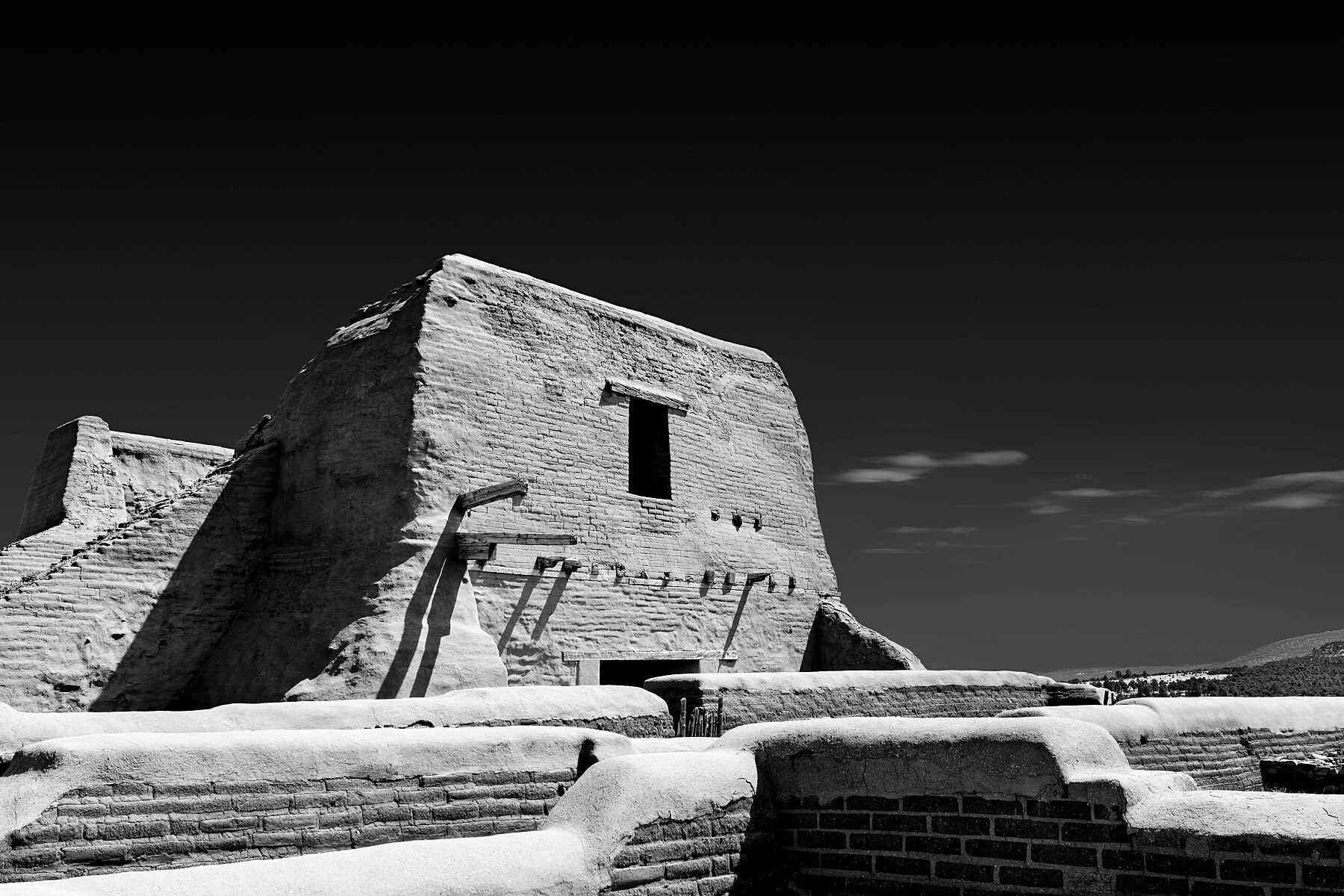
MISSION REMAINS - The remains of the Pecos Mission Church, the Mission of Our Lady of the Angels of Porciucula. The mission, built in 1717, are from the last of four adobe churches built on the site over the course of 100 years. The mission sits 25 miles east of Santa Fe, NM, and was occupied until 1838.